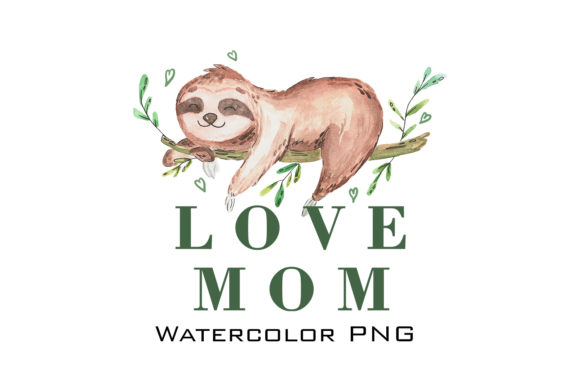
Watercolor Sloth, Cute Sloth Illustrations
As a designer who regularly works on branding, packaging, and marketing visuals for small businesses and handmade brands, I often seek out design assets that bring warmth, personality, and visual interest to a project. Watercolor Sloth, Cute Sloth is one such illustration that stands out for its soft, whimsical charm and versatility in real-world design scenarios.
The First Impression: Whimsy Meets Craftsmanship
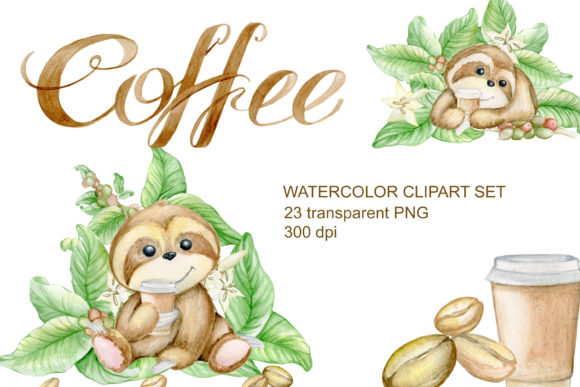
Watercolor Sloth, Cute Sloth immediately evokes a sense of calm and playfulness. The gentle brushstrokes and muted color palette create a cozy, handcrafted feel that feels at home in creative markets, Etsy shops, and boutique product lines. This is not a high-contrast, modernist design—it’s an illustration that leans into the charm of imperfection, making it ideal for brands that want to convey approachability and authenticity.
The style is reminiscent of traditional watercolor art, with subtle texture and organic shapes that feel more like a hand-painted piece than a digital clipart. This makes it a strong choice for printable designs, social media graphics, or any project where a personal touch is desired.
Real-World Applications: Where It Shines
Watercolor Sloth, Cute Sloth excels in design situations that benefit from a soft, friendly visual language. It works well as a hero graphic for seasonal campaigns, a decorative element in packaging design, or a central motif in a themed collection. Its size and composition make it suitable for large layout areas, product mockups, and campaign visuals where it can serve as a focal point without overwhelming the overall design.
For example, if you're designing a t-shirt for a handmade brand or creating a Cricut project for a local event, this illustration adds a unique, eye-catching element that feels fresh and original. It also pairs well with other design assets in a design bundle, offering a cohesive look for branding or editorial design projects.
In web design and digital marketing, Watercolor Sloth, Cute Sloth can be used as a background element, a banner graphic, or a supporting visual in Canva templates. Its simplicity allows it to work across different platforms and formats, from Instagram posts to Pinterest pins, without losing its character.
Best Uses: Decorative Accents and Themed Projects
This illustration thrives in projects that embrace a playful, artistic tone. It’s perfect for sticker design, printable wall art, and sublimation design where the softness of the image can be highlighted. It also serves as a great addition to a design asset library, especially for those working on commercial design, print-on-demand, or digital product sales.
When used in packaging design or product labels, Watercolor Sloth, Cute Sloth adds a tactile, handcrafted quality that can elevate a simple product into something more memorable. It’s also a good fit for editorial design, where a little visual flair can make a big difference in reader engagement.
Caution Zones: When It Might Not Fit
While Watercolor Sloth, Cute Sloth has many strengths, it’s not a one-size-fits-all design asset. In minimalist branding or professional corporate materials, its soft edges and informal style may not align with the desired visual hierarchy. Similarly, using it in crowded layouts or on complex backgrounds can dilute its impact and make it harder to read or recognize.
For projects that require a clean, modern design or strict brand consistency, this illustration might need careful integration. It’s best suited for brands that value creativity, storytelling, and emotional appeal over stark minimalism.
Design Considerations: Practical Tips for Professional Use
Before using Watercolor Sloth, Cute Sloth in a client project, there are several practical checks every designer should perform. Test it in black and white to see how it holds up without color. Check contrast on both light and dark backgrounds to ensure visibility. Preview it at various sizes to confirm it remains legible and visually appealing at small scales.
If the file includes PNG transparency, inspect it closely to make sure the edges are clean and the background is properly removed. For SVG designs, verify that the vector paths are editable and scalable without loss of quality. Compare it with different font styles—serif, sans serif, script, and display fonts—to see how it interacts with text elements.
Also, always confirm the commercial license before using it for a client or business project. Many design assets come with restrictions that could affect your ability to use them in print-on-demand or digital product sales.
Conclusion: A Versatile Asset for the Right Project
Watercolor Sloth, Cute Sloth is a thoughtful illustration that brings warmth and character to a wide range of design projects. It’s particularly effective for small business branding, handmade products, and creative marketplaces where a personal, artisanal feel is desired. While it may not suit every design direction, when used appropriately, it can enhance visual storytelling, boost audience engagement, and add a unique touch to a project’s overall aesthetic.
As a designer, I appreciate assets that offer both beauty and functionality. Watercolor Sloth, Cute Sloth delivers on both fronts, making it a valuable addition to any creative toolkit—especially for those working on printable designs, social media graphics, or branded merchandise for a niche audience.