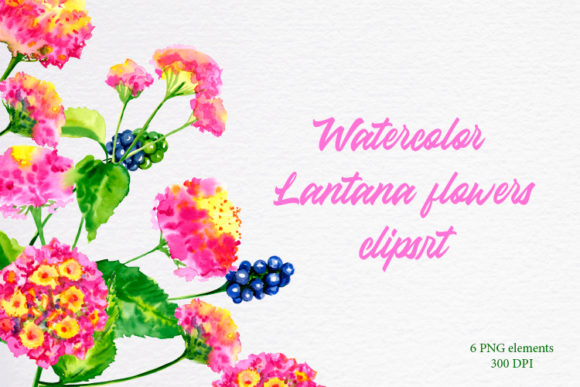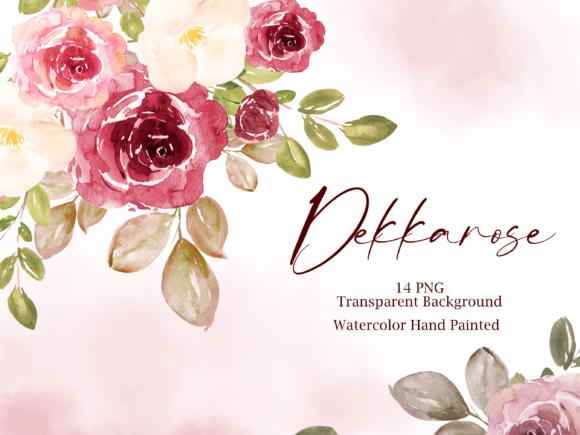
Watercolor Rose Flowers Clipart and Illustrations
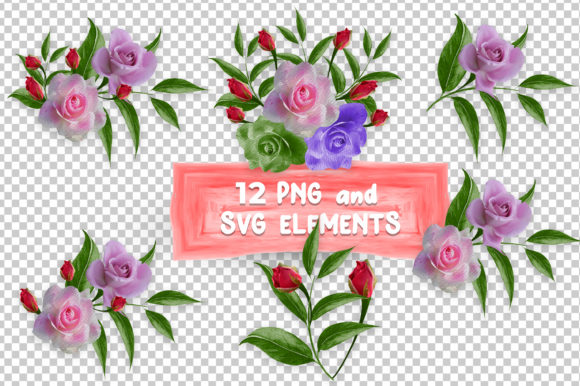
As a brand designer and content marketer, I’ve seen countless graphic design assets come and go. But Watercolor Rose Flowers Clipart stands out for its timeless appeal and versatility in creative design. Whether you're working on a digital product or a printable design, this illustration offers a soft, elegant touch that can elevate your marketing visuals without overwhelming them.
The First Impression: Soft, Elegant, and Memorable
Watercolor Rose Flowers Clipart immediately evokes a sense of calm and sophistication. The delicate brushstrokes and muted tones create a mood that’s both inviting and professional. This makes it ideal for brands aiming to connect with an audience that values aesthetics, whether they’re promoting handmade products, lifestyle content, or event promotions.
The emotional tone is warm and approachable, which can help build audience trust. It’s perfect for small business branding where a personal touch matters. However, it may not be the best fit for high-energy or tech-focused campaigns where bold, modern design takes precedence.
Real-World Applications: From Social Media to Packaging
In real marketing and branding situations, Watercolor Rose Flowers Clipart proves its worth across multiple platforms. It works well in brand identity projects, especially when paired with a clean, minimal logo design. For packaging design, it adds a subtle yet refined accent that can make a product stand out on the shelf.
This clipart also shines in social media graphics, particularly for Instagram posts, Pinterest pins, and Facebook ads. Its soft edges and organic shapes make it a great choice for campaign headers, hero graphics, and content bundles. When used in Canva templates, it adds a professional flair without requiring advanced design skills.
For editorial design and blog graphics, Watercolor Rose Flowers Clipart brings a visual rhythm that complements written content. It can also serve as a decorative element in web design, helping to break up text while maintaining a cohesive aesthetic.
Supporting Marketing Goals: More Than Just Aesthetic
Watercolor Rose Flowers Clipart isn’t just about looking good—it supports key marketing goals. It helps create a stronger first impression by adding visual interest without clutter. It improves visual hierarchy by acting as a subtle focal point in digital ads and email banners.
Consistent use of this illustration across different platforms strengthens brand recognition. It also enhances product presentation, making it a valuable addition to packaging inserts, merchandise, and promotional banners. By building an emotional connection with the audience, it fosters a sense of trust and loyalty.
Its professional appearance ensures that even small businesses can compete with larger brands in terms of visual quality. And because it’s available in SVG and PNG formats, it’s easy to scale and adapt for various uses, from print to digital.
Where It Works Best: Creative and Strategic Placement
Watercolor Rose Flowers Clipart excels in areas that require a balance between creativity and professionalism. It’s perfect for campaign headers, product launch visuals, and branded templates that need a touch of elegance. In content marketing, it can be used in lead magnets, media kits, and Canva templates to add a unique visual identity.
For event promotions and editorial layouts, it provides a cohesive look that feels both artistic and structured. As a decorative brand element, it can enhance website headers, social media covers, and even merchandise like stickers and t-shirts.
Where to Use It Carefully: Avoid Overuse and Misplacement
While Watercolor Rose Flowers Clipart is versatile, it’s not suitable for every situation. In formal corporate branding, it may feel too casual or unprofessional. In dense information layouts, it can distract from the main message.
Small mobile graphics may not benefit from its intricate details, and low-contrast backgrounds can make it hard to see. Overly minimal brands may find it too busy, and text-heavy ads could suffer from visual clutter if not used thoughtfully.
It’s important to test it within real campaign mockups and ensure it aligns with the brand’s overall style. Previewing it on mobile screens and checking readability in small sizes can prevent unexpected issues.
Practical Brand Designer Notes: Test, Compare, and Confirm
Before finalizing any design, test Watercolor Rose Flowers Clipart with the brand color palette to ensure harmony. Check how it looks in black and white to confirm its effectiveness in monochrome settings.
Place it inside real campaign mockups to see how it interacts with other elements. Compare it against competitor visuals to ensure it stands out without being disruptive. Review how it pairs with different font styles—serif, sans serif, script, handwritten, and display fonts—to maintain balance and readability.
Confirm commercial licensing before using it in paid campaigns, client work, or business branding. This ensures there are no legal issues down the line.
Final Thoughts: A Versatile Asset for Creative Marketers
Watercolor Rose Flowers Clipart is more than just an illustration—it’s a powerful tool for content creators, small business owners, and designers looking to elevate their marketing visuals. Its ability to blend creativity with professionalism makes it a strong asset for branding, social media, and content marketing efforts.
Whether you’re launching a new product, refreshing your brand, or building a content kit, this clipart offers a flexible solution that can adapt to various needs. With thoughtful application, it can become a cornerstone of your visual strategy, helping you attract attention, build trust, and create memorable campaign visuals.